Understanding the psychology behind gambling decisions and their effects on players
The Allure of Gambling: Understanding Motivations
The psychology of gambling is deeply rooted in human behavior and emotions. For many, the thrill of risking money can be exhilarating. People are often drawn to gambling as a form of entertainment, seeking excitement that their daily lives may lack. This initial attraction can be influenced by various factors, including social circles, personal experiences, and even cultural norms that glamorize risk-taking. The desire for escapism, the hope of winning big, and the pursuit of immediate gratification contribute to why individuals choose to gamble. Many players explore options at https://vladcasino-uk.com to experience the thrill firsthand.

Moreover, the thrill of uncertainty plays a significant role in gambling decisions. Humans are wired to be attracted to unpredictability, which creates a sense of excitement. This intrinsic motivation can lead to behaviors that transcend mere monetary gain. For instance, the adrenaline rush experienced during gameplay can release dopamine, a neurotransmitter associated with pleasure. As a result, the emotional highs and lows experienced while gambling can become addictive, often leading players to chase losses rather than walk away.
Additionally, cognitive biases, such as the illusion of control, further complicate decision-making in gambling. Players often believe that they can influence outcomes through skill or strategy, even in games of chance. This overestimation of one’s abilities can encourage further gambling, reinforcing the cycle of risk and reward. Understanding these motivations is crucial for recognizing the psychological factors that contribute to both casual gambling and the potential for addiction.
The Role of Environment in Gambling Behavior
The gambling environment significantly impacts player behavior and decision-making processes. Factors such as the design of gaming venues, the presence of other players, and even the sounds and lights used can enhance the gambling experience, often manipulating emotions. Casinos, for example, are meticulously designed to create an atmosphere that encourages prolonged play. Bright lights and ringing slot machines stimulate excitement, making it easy for players to lose track of time and money.
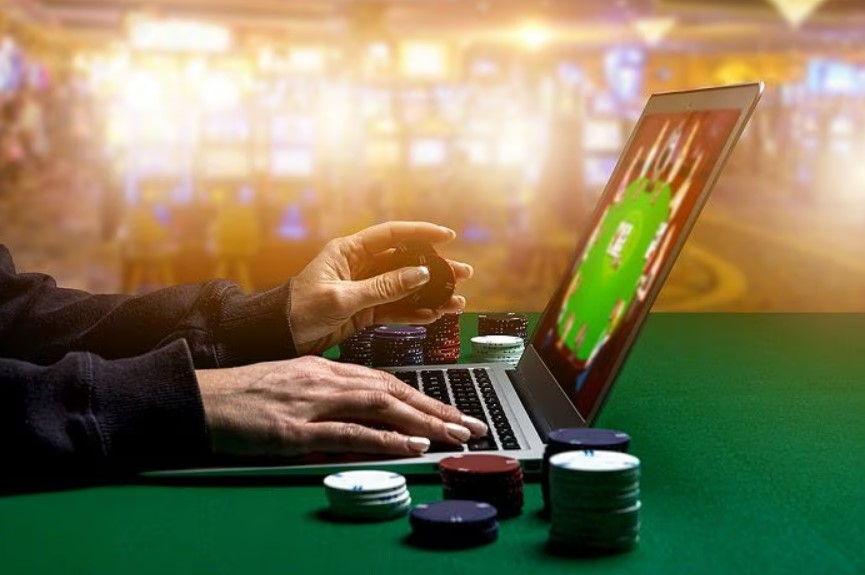
Online gambling platforms also employ psychological tactics to keep players engaged. Features like bonuses, loyalty programs, and interactive gameplay can create a sense of belonging and reward. The convenience of accessing games from home or on-the-go adds to the allure, potentially leading to impulsive decisions. This accessibility can blur the line between casual play and more serious gambling behavior, making it easier for players to gamble without the same level of self-regulation they might exercise in a physical casino.
Social influences cannot be underestimated either. Peer pressure and social validation play a critical role in reinforcing gambling behavior. When surrounded by friends who gamble, individuals may feel compelled to join in, often disregarding their financial limits. Additionally, platforms that allow players to share wins or experiences can create a feedback loop that encourages further participation. Understanding the external factors that shape gambling behavior is essential for addressing problematic gambling practices and fostering a healthier gaming culture.
The Psychological Effects of Gambling on Players
The psychological impact of gambling can range from enjoyment to devastating consequences. For many players, gambling is merely a form of entertainment. However, for others, it can lead to severe emotional distress and financial hardship. The dichotomy of pleasure and peril in gambling can result in a complex relationship with money and risk. Players who experience frequent wins may feel euphoric and validated, while those who face consistent losses may struggle with feelings of inadequacy and hopelessness.
Gambling addiction, also known as compulsive gambling, can lead to serious mental health issues, including anxiety, depression, and social isolation. The emotional rollercoaster associated with gambling can create a cycle where individuals gamble to escape their problems, only to find themselves in deeper trouble. These feelings often compound, leading to a cycle of shame, secrecy, and denial. It is crucial to recognize these patterns and understand their effects on a player’s mental well-being.
Moreover, the psychological effects of gambling extend beyond the individual player. Families and communities can be profoundly affected, as financial stressors and emotional turmoil often spill over into interpersonal relationships. The stigma surrounding gambling addiction can hinder recovery efforts, making it essential to promote awareness and understanding. By addressing the psychological effects of gambling, we can foster a more supportive environment for both players and their loved ones.
Strategies for Responsible Gambling
Given the potential risks associated with gambling, developing effective strategies for responsible gaming is vital. Awareness and education are the first steps toward fostering a healthy relationship with gambling. Players should understand the odds and realize that losses are a natural part of the experience. Setting strict limits on time and money spent can create a framework that helps players remain in control. By acknowledging potential risks and actively managing their gaming habits, individuals can enjoy gambling as a form of entertainment without falling into harmful patterns.
Tools such as self-exclusion programs and budgeting strategies can assist in promoting responsible gambling. Many online casinos offer features that allow players to set daily, weekly, or monthly limits on their spending. These tools provide a safety net that can help mitigate the risk of developing problematic behaviors. Additionally, seeking support from friends, family, or professional organizations can create a network of accountability, making it easier for individuals to maintain control over their gambling activities.
Finally, recognizing the signs of gambling addiction is essential for timely intervention. Symptoms such as increased secrecy, emotional volatility, or financial difficulties should not be overlooked. Encouraging open conversations about gambling can destigmatize the issue and promote a culture of support and understanding. By implementing these strategies and promoting a responsible gambling ethos, we can create a safer and more enjoyable gambling environment for everyone.

Vlad Casino: A Safe and Engaging Gambling Experience
Vlad Casino UK exemplifies a commitment to creating a responsible gambling environment. With a broad array of games and features designed for player security, it prioritizes user safety while providing an entertaining experience. The platform is fully licensed by the UK Gambling Commission, ensuring that all gaming activities adhere to strict regulatory standards. This oversight creates a reliable and enjoyable space for players to engage in their favorite games.
The online casino offers new users enticing welcome bonuses, such as generous financial incentives and free spins, which enhance the initial gaming experience. However, it’s essential for players to approach these offers responsibly, understanding the terms and conditions associated with them. With the right mindset, players can take advantage of these promotions without compromising their gaming integrity.
Additionally, the casino places a strong emphasis on player support. Through informative resources and guidance on responsible gambling, Vlad Casino aims to foster a healthy gaming atmosphere. By prioritizing player well-being, the platform not only enhances user experience but also promotes a culture of responsible gambling. In an industry where the stakes can be high, creating a safe environment is paramount for both operators and players alike.